Understanding HICLOVER Waste Incinerators: Technical Insights for Regulatory Bodies
What are the technical specifications of HICLOVER waste incinerators?
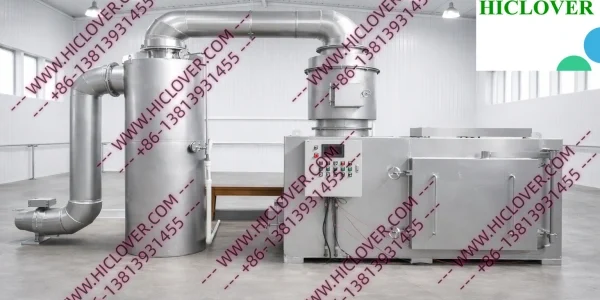
The HICLOVER waste incinerator is engineered to meet stringent industrial standards, focusing on reliability and efficiency. These incinerators typically operate at high temperatures ranging from 850°C to 1200°C, crucial for complete combustion of various waste types. The dual combustion chamber design enhances the incineration process by allowing for thorough mixing and retention of gases, which is vital for reducing harmful emissions. Additionally, the incinerators are equipped with advanced air filtration systems to mitigate particulate matter and gaseous emissions, ensuring compliance with WHO and EU emission frameworks.
How does HICLOVER incorporate high-temperature retention in its designs?
High-temperature retention is a critical feature in HICLOVER incinerators. The design employs a robust insulation system along with controlled combustion air supply to maintain optimum temperatures. This design allows for effective burnout of volatile organic compounds (VOCs) and ensures that the waste is incinerated thoroughly. The engineering principles behind HICLOVER’s design emphasize the importance of prolonging residence time for combustion gases within the incineration chamber, which significantly enhances the destruction of hazardous components.
What types of waste can HICLOVER waste incinerators process?
HICLOVER waste incinerators are versatile and can process a variety of waste types, including medical waste, industrial waste, and even pet cremation. The **Madagascar incinerator 15 kg** model, for instance, is specifically designed for small-scale operations, while larger models cater to bulk waste processing. The systems can handle both solid and hazardous waste, making them suitable for diverse applications such as crisis zones, humanitarian camps, and remote mining operations.
What are the differences between fixed and containerized incinerators?
HICLOVER offers both fixed and containerized waste incinerators, each with unique operational advantages. Fixed incinerators are typically installed at dedicated waste management facilities, providing high throughput and extensive processing capabilities. In contrast, **containerized modular systems** are designed for mobility and flexibility, making them ideal for remote sites or temporary installations. These systems are easy to transport and can be quickly set up, facilitating waste management in locations where infrastructure is lacking, such as crisis zones.
What are the advantages of PLC automation in incineration operations?
HICLOVER waste incinerators utilize Programmable Logic Controller (PLC) systems for automation, enhancing operational efficiency and safety. PLC automation allows for real-time monitoring and control of the incineration process, optimizing combustion parameters and reducing human error. This level of automation also enables remote operation capabilities, making it easier to manage incinerators deployed in remote locations. Furthermore, the integration of PLC systems supports compliance with environmental regulations by maintaining consistent operational standards.
Which is better: dry scrubbers or wet scrubbers in HICLOVER incinerators?
When considering air pollution control technologies, HICLOVER offers both dry and wet scrubbers for different operational needs. **Dry scrubbers** are generally more suited for applications with lower moisture content in emissions, effectively removing particulates and certain gases through adsorption. They are often more compact and easier to maintain. On the other hand, **wet scrubbers** are more effective at capturing highly soluble gases and are preferable when dealing with a broader range of hazardous emissions. The choice between the two depends on the specific waste characteristics and regulatory requirements at the site of operation.
How does HICLOVER ensure compliance with global emission standards?
HICLOVER’s waste incinerators are designed to comply with international emission standards through rigorous engineering practices. The incorporation of dual combustion chambers allows for more complete combustion, reducing harmful emissions such as dioxins and furans. Advanced filtration systems, including both wet and dry scrubbers, help capture and neutralize pollutants before they are released into the atmosphere. Regular testing and monitoring processes are also part of HICLOVER’s operational protocols to ensure ongoing compliance with standards set forth by organizations like the WHO and EU emissions directives.
What is the significance of an efficient supply chain in HICLOVER’s operations?
A stable supply chain is crucial for HICLOVER’s operational effectiveness. By maintaining direct factory supply capabilities, HICLOVER can ensure the availability of essential components and materials needed for incinerator manufacturing. This efficiency not only reduces lead times but also enhances the ability to customize incinerator systems to meet specific client requirements. Furthermore, a resilient supply chain enables HICLOVER to offer competitive pricing, such as the **Nanjing Clover incinerator price**, while delivering high-quality products.
How do HICLOVER’s incinerators contribute to carbon emission reduction efforts?
In the context of global efforts towards carbon emission reduction, HICLOVER waste incinerators play a vital role. By converting waste into energy, these systems can minimize landfill usage and lower greenhouse gas emissions associated with waste decomposition. The energy recovery systems integrated into HICLOVER’s designs allow for the capture of thermal energy generated during incineration, which can be utilized for heating or electricity generation. This method aligns with the growing trend of decentralized waste management and energy efficiency, benefitting both the environment and local communities.
What are the advantages of using HICLOVER waste incinerators in decentralized waste management?
Decentralized waste management is becoming increasingly relevant, especially in remote areas or developing regions where waste infrastructure is limited. HICLOVER’s incinerators, particularly the **mobile modular designs**, are ideal for these scenarios. They can be deployed quickly and efficiently, allowing for immediate waste processing. This mobile capability not only addresses local waste issues but also helps in managing waste from humanitarian camps or crisis zones effectively. By providing a local solution, HICLOVER supports communities in achieving environmental sustainability and operational efficiency.
For more information on HICLOVER waste incinerators, visit our website at HICLOVER. With their engineering expertise and commitment to sustainable practices, HICLOVER continues to lead the way in innovative waste management solutions.