Medical Waste Incinerator Solutions for Private Clinics in Ghana

Private clinics play an increasingly important role in Ghana’s healthcare system. In urban centers such as Accra and Kumasi, as well as in fast-growing secondary cities, private medical facilities handle a steady volume of infectious waste every day. Used needles, contaminated dressings, laboratory disposables, and expired medicines must be treated promptly to avoid infection risks for staff, patients, and surrounding communities.

For many clinic operators, the search for a medical waste incinerator for private clinics Ghana reflects a practical concern: how to manage regulated medical waste on site, with limited space, variable infrastructure, and strict attention to smoke, odor, and operational safety.


Waste Management Realities in Ghanaian Private Clinics

Private clinics in Ghana differ widely in size and service scope. Some operate as small outpatient centers, while others function as mid-scale facilities supporting maternity, diagnostic, and surgical services. Despite these differences, waste composition is often similar―infectious materials, sharps, and pharmaceutical residues form the bulk of daily output.

Incineration remains a commonly adopted treatment method because it allows immediate destruction of infectious waste without reliance on centralized disposal services, which may be inconsistent or distant. For private operators, on-site control is often seen as a way to reduce operational risk and administrative complexity.


Technical Configuration Commonly Used in Clinic Applications

Dual-Chamber Combustion Structure

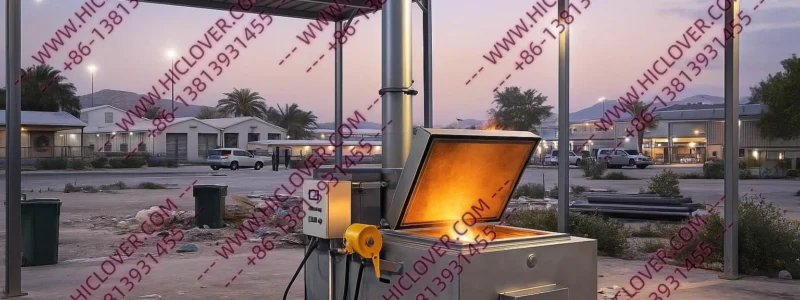
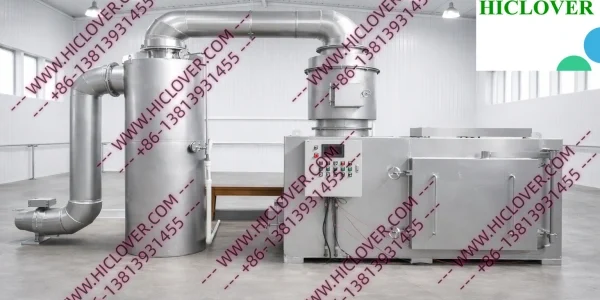
Medical waste incinerators supplied for private clinics typically follow a dual-chamber configuration. The primary chamber is used for direct combustion of waste at temperatures around 850 °C, supporting effective destruction of infectious materials and sharps.

A secondary chamber is installed downstream and operates at higher temperatures, often approaching 1100 °C. Its function is to re-burn flue gases released from the primary chamber. This secondary oxidation step reduces incomplete combustion products, helping to limit visible smoke and persistent odors―issues that private clinics are particularly sensitive to due to proximity to residential areas. This is a commonly adopted configuration for hospitals and clinics and is designed in line with common healthcare waste management practices.


Automation and Daily Operation in Small Facilities

Private clinics rarely have dedicated incinerator operators. As a result, automation plays a central role in equipment selection. PLC-controlled systems manage burner ignition, temperature holding, alarm functions, and safe shutdown sequences.

For clinic managers, this automation reduces reliance on individual operator experience and supports consistent daily operation. Clear status indicators and interlocks also improve operational safety, which is a key concern in facilities with limited technical staffing.


Diesel Operation Under Local Infrastructure Conditions

Power stability remains a practical consideration in many parts of Ghana. Even in urban areas, clinics often rely on backup generators to maintain essential medical services during outages. Diesel-fired incinerators align well with this environment, as combustion stability does not depend on continuous grid power.

Electrical consumption is largely limited to controls and auxiliary components, making it feasible for clinics to operate incinerators alongside existing generator systems. This balance between fuel-based combustion and low electrical demand is one reason diesel configurations are widely selected by private healthcare providers.


Emission Control Options for Clinic Environments

Private clinics often face closer scrutiny from neighbors and local authorities regarding smoke and odor. Incinerator systems therefore offer configurable flue gas treatment options.

Dry gas treatment units are commonly selected as baseline solutions due to simpler operation and maintenance. For clinics seeking enhanced emission control, wet scrubbing systems may be added, integrating quenching and washing stages to further reduce visible emissions. These options are typically presented as modular choices, allowing clinic operators to align system complexity with available space, budget, and maintenance capacity.


Matching System Size to Clinic Scale

A medical waste incinerator for private clinics in Ghana is usually selected based on realistic daily waste volumes rather than maximum theoretical capacity. Small clinics may operate compact, batch-fed units, while larger private hospitals may require systems capable of extended daily operation.

Containerized layouts are often favored where space is limited or where clinics wish to minimize civil works. This flexibility allows private healthcare providers to adopt incineration without major disruption to existing facilities.


HICLOVER as a Manufacturing Partner

HICLOVER operates as a manufacturing factory supplying standardized medical waste incinerator systems for export markets, including configurations suited to private clinics. Its equipment is based on repeatable designs supported by technical documentation, operation manuals, and remote technical coordination.

General system information and configuration options can be reviewed through the official website:
https://www.hiclover.com/

This manufacturer-focused approach supports private clinics, engineering contractors, and NGO programs that evaluate incineration solutions through English-language technical searches.


Practical Perspective for Private Clinic Decision-Makers

For private clinics in Ghana, selecting a medical waste incinerator is less about scale and more about operational fit. Combustion stability, automation level, emission visibility, and ease of daily use often outweigh purely theoretical performance metrics.

In a healthcare environment shaped by rapid urban growth, infrastructure variability, and increasing attention to infection control, well-configured incineration systems remain a practical option for private clinics seeking reliable on-site medical waste management.

Mobile: +86-13813931455(WhatsApp)

Email:     [email protected]     
Email:     [email protected] 


2026-01-09/14:25:05

Small Trailer-Mounted Incinerators for Railway Maintenance Camps in Desert Regions

Waste Management Challenges Along Remote Railway Lines

Railway infrastructure often extends far beyond urban centers, crossing desert regions, arid plateaus, and sparsely populated territories. In areas such as Central Asia, North Africa, the Middle East, and inland corridors of Western China, railway maintenance segments and desert railway camps are frequently established as semi-permanent or seasonal operational bases.

These railway maintenance camps support track inspection, ballast replacement, signaling repair, and rolling-stock servicing. Along with technical operations, they inevitably generate daily living waste from workers, including:

  • Domestic mixed waste

  • Plastic containers and packaging

  • Oil-contaminated cloth, tarpaulins, and oily rags

Due to their remote location, these sites are often disconnected from municipal waste collection systems. Long-distance waste transport is costly, logistically complex, and environmentally inefficient.

As a result, on-site waste treatment becomes a practical necessity rather than an optional upgrade.


Why Incineration Is Suitable for Desert Railway Maintenance Camps

For railway maintenance sections in desert environments, waste treatment systems must adapt to:

  • High ambient temperatures

  • Limited water availability

  • Unstable or absent grid electricity

  • Mobile or temporary camp layouts

Under such constraints, small-scale incineration offers several technical advantages:

  • Significant volume reduction of waste

  • Immediate on-site disposal without transport

  • Controlled combustion of plastic and oily waste

  • Reduced risk of secondary pollution caused by open dumping

In particular, small trailer-mounted incinerators are well-suited to railway maintenance scenarios where flexibility and autonomy are critical.


Small Trailer-Mounted Incinerator: Configuration for Railway Use

A small trailer-mounted incinerator, designed for mobile or semi-fixed operation, aligns closely with the working conditions of desert railway camps.

Key Configuration Features

  • Trailer-mounted structure
    Allows the incinerator to be repositioned along railway sections as maintenance zones shift.

  • Generator-powered operation
    The incinerator can be powered by a diesel generator, ensuring independence from local power grids.

  • Compact footprint
    Suitable for confined railway camp layouts without permanent civil foundations.

  • Batch or semi-continuous operation
    Matches the intermittent waste generation pattern of maintenance crews.

For reference, HICLOVER develops multiple mobile and trailer-based incinerator configurations optimized for remote environments:
https://www.hiclover.com/mobile-incinerator/


Types of Waste Commonly Generated in Railway Camps

1. Workers’ Domestic Waste

Railway maintenance camps often house dozens of workers for extended periods. Daily waste streams typically include:

  • Food leftovers

  • Paper and cardboard

  • Mixed household refuse

A small incinerator enables same-day disposal, reducing hygiene risks and pest attraction in desert climates.

2. Plastic Containers and Packaging

Maintenance operations rely heavily on packaged materials such as lubricants, spare parts, bottled water, and protective equipment. These generate:

  • Plastic containers

  • Shrink wrap

  • Composite packaging

Incineration provides an effective solution where recycling infrastructure is unavailable.

3. Oil-Contaminated Cloth and Tarpaulins

Railway maintenance involves lubrication, mechanical servicing, and equipment protection. This results in:

  • Oily rags

  • Oil-soaked cloth

  • Contaminated tarpaulins

Such waste is unsuitable for landfill disposal and poses environmental risks if improperly handled. Controlled incineration ensures safe destruction under high temperatures.

Related technical reference:
https://www.hiclover.com/oil-waste-incinerator/


Application Scenarios Along Desert Rail Corridors

Desert Railway Camps in Central Asia

Railway corridors crossing Kazakhstan, Uzbekistan, and western Mongolia often rely on mobile maintenance camps due to vast distances between stations. Trailer-mounted incinerators allow waste treatment to move together with maintenance operations.

Arid Railway Sections in North Africa

In regions such as southern Algeria, eastern Morocco, and inland Egypt, railway maintenance bases are frequently isolated from municipal infrastructure. Generator-powered incinerators provide autonomy under extreme climatic conditions.

Inland Railway Projects in the Middle East

Railway expansions across Saudi Arabia, Oman, and Jordan include long desert segments. Maintenance camps established along these lines require compact, transportable waste treatment solutions compatible with desert logistics.


Advantages of Trailer-Mounted Incinerators for Railway Operators

From an operational perspective, small trailer-mounted incinerators offer railway authorities and contractors several advantages:

  • Reduced waste transport costs

  • Improved on-site environmental control

  • Flexible relocation without dismantling

  • Compliance with basic environmental and safety requirements

Compared with fixed installations, trailer-based systems align better with temporary railway maintenance segments.

HICLOVER’s small-scale incinerator solutions are designed with these operational realities in mind:
https://www.hiclover.com/incinerator/


Environmental and Operational Considerations

While small incinerators are compact, proper operation remains essential:

  • Controlled combustion temperatures

  • Proper ash handling

  • Basic flue gas dispersion via stack design

For railway camps operating in sensitive desert ecosystems, responsible incineration helps minimize land contamination and visual pollution compared with open dumping or uncontrolled burning.

Technical overview of compact incineration systems:
https://www.hiclover.com/small-incinerator/


Conclusion

Railway maintenance segments and desert railway camps represent a distinct waste management environment characterized by mobility, remoteness, and operational variability. In such contexts, small trailer-mounted incinerators powered by generators provide a practical, adaptable solution for treating workers’ domestic waste, plastic containers, and oil-contaminated materials.

Rather than relying on long-distance waste transport or informal disposal methods, railway operators can evaluate mobile incineration as part of a structured environmental management approach suited to desert rail infrastructure.

For technical specifications and configuration options related to mobile and trailer-mounted incinerators, visit:
https://www.hiclover.com/


Mobile: +86-13813931455(WhatsApp)

Email:     [email protected]     
Email:     [email protected] 


2025-12-14/01:28:21

Incinerator Items/Model

HICLOVER TS100(PLC)


Burn Rate (Average)

100kg/hour

Feed Capacity(Average)

150kg/feeding

Control Mode

PLC Automatic

Intelligent Sensor

Continuously Feeding with Worker Protection

High Temperature Retention(HTR)

Yes (Adjustable)

Intelligent Save Fuel Function

Yes

Primary Combustion Chamber

1200Liters(1.2m3)

Internal Dimensions

120x100x100cm

Secondary Chamber

600L

Smoke Filter Chamber

Yes

Feed Mode

Manual

Burner Type

Italy Brand

Temperature Monitor

Yes

Temperature Thermometer

Corundum Probe Tube, 1400℃Rate.

Temperature Protection

Yes

Automatic Cooling

Yes

Automatic False Alarm

Yes

Automatic Protection Operator(APO)

Yes

Time Setting

Yes

Progress Display Bar

3.7 in” LCD Screen

Oil Tank

200L

Chimney Type

 Stainless Steel 304

1st. Chamber Temperature

800℃–1000℃

2nd. Chamber Temperature

1000℃-1300℃

Residency Time

2.0 Sec.

Gross Weight

7000kg

External Dimensions

270x170x190cm(Incinerator Main Body)

Burner operation

Automatic On/Off

Dry Scrubber

Optional

Wet Scrubber

Optional

Top Loading Door

Optional

Asbestos Mercury Material

None

Heat Heart Technology(HHT)

Optional

Dual Fuel Type(Oil&Gas)

Optional

Dual Control Mode(Manual/Automatic)

Optional

Temperature Record

Optional

Enhanced Temperature Thermometer

Optional

Incinerator Operator PPE Kits

Optional

Backup Spare Parts Kits

Optional

Mobile Type

Optional:Containerized/Trailer/Sledge Optional

Ethiopia Waste Incinerator Market Report: Demand Characteristics, Local Trends, and Application of Modern Incineration Technologies


1. Overview of Ethiopia’s Waste Management Landscape
Ethiopia, with major cities such as Addis Ababa, Dire Dawa, and Mekelle, faces growing pressure to strengthen its municipal and medical waste treatment systems. Rapid population growth, expanding healthcare facilities, and industrial development have intensified waste generation, while landfill capacity and controlled disposal methods remain limited. Many regions continue to rely on open dumping or rudimentary burning, creating environmental and public-health challenges that local governments and international agencies seek to address urgently.

2. Key Market Characteristics
The waste incinerator market in Ethiopia shows several clear structural features:

  • High proportion of mixed municipal waste, often containing organic fractions that require stable combustion technologies.

  • Medical waste volumes increasing, especially in cities such as Hawassa and Bahir Dar, following hospital expansions and international health programs.

  • Remote regional clinics and field operations across Afar, Somali, and Oromia often lack centralized treatment, creating demand for mobile or containerized incineration systems.

  • Growing emphasis on emissions control, driven by both national environmental directives and the influence of global frameworks.

These characteristics create a market that values equipment reliability, flexible installation, and adaptable fuel options.

3. Demand Drivers and Market Trends
Several factors define the upward demand curve in Ethiopia:

  1. Healthcare sector growth
    Major hospitals in Addis Ababa and regional medical centers increasingly require compliant medical waste incinerators with multi-chamber designs and higher combustion efficiency.

  2. Expansion of humanitarian operations
    Ethiopia frequently hosts programs supported by the United Nations, UNDP, WHO, and various NGOs operating in refugee camps, emergency shelters, and rural health units. These institutions often adopt standardized incineration solutions to meet safety and environmental requirements.

  3. Urbanization and population concentration
    Cities such as Gondar and Adama generate large volumes of mixed waste, creating demand for medium-capacity units capable of continuous or semi-continuous operation.

  4. Shift toward regulated waste treatment
    Ethiopia has been moving toward stricter oversight of medical and hazardous waste handling. This shift encourages adoption of engineered incinerators with secondary combustion chambers and optional wet scrubber systems.

4. Suitability of Incinerator Solutions to Ethiopia’s Local Conditions
Waste streams in Ethiopia are often high-moisture and inconsistently sorted. Suitable incineration systems therefore require:

  • High-temperature secondary combustion for complete burnout of low-calorific waste.

  • Diesel, LPG, or natural gas burners to stabilize combustion under variable moisture levels.

  • Top-loading or batch-loading chambers for bulky municipal refuse or community waste batches.

  • Mobile or containerized systems for deployment in remote regions where civil construction is limited.

These characteristics align well with solutions frequently deployed by UN field missions and health programs across East Africa.

5. HICLOVER Incinerators: Advantages for the Ethiopian Market
HICLOVER’s portfolio presents several strengths that match the requirements emerging in Ethiopia:

  • Top-loading and medical waste models optimized for hospitals in cities like Addis Ababa and Hawassa.

  • Containerized mobile incinerators ideal for NGOs and UN agencies working in regions such as Gambella, Afar, and Somali.

  • Multiple combustion chambers ensuring cleaner emissions and higher destruction efficiency, suitable for both municipal and hazardous waste.

  • Optional wet scrubbers and dry filtration for projects demanding enhanced environmental compliance.

  • Fast deployment capability, especially valuable for emergency or humanitarian missions.

  • Proven field track record across Africa, including installations supported by international development institutions.

These advantages allow HICLOVER systems to adapt to Ethiopia’s diverse operating environments, from dense urban districts to isolated rural clinics.

6. Additional Highlight: The Importance of Waste Treatment in Drought-Affected Zones
As Ethiopia continues to experience climate-driven pressures―including droughts in Somali, Afar, and parts of Oromia―the management of medical and community waste becomes increasingly critical. Limited water resources often restrict sanitary burial or controlled landfill operations. In such regions, compact and fuel-efficient incinerators provide a stable method for destroying infectious waste without relying on large civil infrastructure. This theme resonates strongly with humanitarian organizations overseeing emergency health operations.

7. Market Outlook
The Ethiopian waste incinerator market is expected to grow steadily due to:

  • Expansion of regional hospitals

  • Urban waste reforms in Addis Ababa and major secondary cities

  • International development projects requiring compliant waste treatment

  • Strengthened involvement of the United Nations, African Union mission facilities, and cross-border refugee-support programs

  • Rising emphasis on sustainability and emissions awareness

This combination of technical need, regulatory evolution, and institutional investment positions Ethiopia as one of the most dynamic incinerator markets in East Africa.

Ethiopia’s evolving waste management environment―shaped by healthcare expansion, population growth, and international humanitarian operations―creates strong demand for reliable waste incineration solutions. HICLOVER’s engineered systems, particularly their mobile, containerized, and medical waste units, align directly with local requirements across Addis Ababa, Mekelle, Dire Dawa, and remote operational zones.

Their robustness, adaptability, and compatibility with UN and NGO field standards position them as suitable solutions for Ethiopia’s long-term waste treatment strategy.

Mobile: +86-13813931455(WhatsApp)

Email:     [email protected]     
Email:     [email protected] 


2025-12-11/14:01:00

Incinerator Items/Model

HICLOVER TS100(PLC)


Burn Rate (Average)

100kg/hour

Feed Capacity(Average)

150kg/feeding

Control Mode

PLC Automatic

Intelligent Sensor

Continuously Feeding with Worker Protection

High Temperature Retention(HTR)

Yes (Adjustable)

Intelligent Save Fuel Function

Yes

Primary Combustion Chamber

1200Liters(1.2m3)

Internal Dimensions

120x100x100cm

Secondary Chamber

600L

Smoke Filter Chamber

Yes

Feed Mode

Manual

Burner Type

Italy Brand

Temperature Monitor

Yes

Temperature Thermometer

Corundum Probe Tube, 1400℃Rate.

Temperature Protection

Yes

Automatic Cooling

Yes

Automatic False Alarm

Yes

Automatic Protection Operator(APO)

Yes

Time Setting

Yes

Progress Display Bar

3.7 in” LCD Screen

Oil Tank

200L

Chimney Type

 Stainless Steel 304

1st. Chamber Temperature

800℃–1000℃

2nd. Chamber Temperature

1000℃-1300℃

Residency Time

2.0 Sec.

Gross Weight

7000kg

External Dimensions

270x170x190cm(Incinerator Main Body)

Burner operation

Automatic On/Off

Dry Scrubber

Optional

Wet Scrubber

Optional

Top Loading Door

Optional

Asbestos Mercury Material

None

Heat Heart Technology(HHT)

Optional

Dual Fuel Type(Oil&Gas)

Optional

Dual Control Mode(Manual/Automatic)

Optional

Temperature Record

Optional

Enhanced Temperature Thermometer

Optional

Incinerator Operator PPE Kits

Optional

Backup Spare Parts Kits

Optional

Mobile Type

Optional:Containerized/Trailer/Sledge Optional

Rwanda Waste Incineration Market Research: Opportunities and Equipment Adaptation

Rwanda is undergoing continuous urban development, healthcare capacity expansion, and stricter environmental governance. Cities such as Kigali, Huye, and Musanze are generating increasing volumes of medical and municipal solid waste, particularly with the rapid growth of hospitals, private clinics, and community health facilities. This shift is driving urgent investment in advanced waste treatment technologies, including efficient and compliant waste incinerators.

Urbanization and Waste Challenges in Kigali
Kigali remains Rwanda’s primary industrial and medical hub, producing a high proportion of hazardous waste, including medical sharps, infectious materials, laboratory waste, pharmaceuticals, and slaughterhouse by-products. Land scarcity and government focus on cleanliness standards have made landfill expansion difficult and costly. Incineration has therefore gained attention as a practical, high-efficiency solution to reduce waste volume and mitigate disease transmission.

Health Sector Expansion and Regulation
District hospitals in places like Gisenyi and Butare are upgrading their waste handling systems to comply with safer health practices. Rwanda’s national strategy emphasizes infection control and environmental protection, pressing facilities to phase out outdated burning pits or low-temperature units that cause smoke pollution.

Demand Segments and Procurement Characteristics
• Hospitals and referral centers: medical waste with strict emission concerns
• Pharmaceutical and vaccine handling facilities: expired drugs, contaminated packaging
• Veterinary stations and farms: animal waste and carcasses
• Border and customs sites: seized goods destruction
• Emergency camps and rural health posts: lack of stable infrastructure

The market preferences typically include diesel-fired or LPG-fired batch loading incinerators with secondary combustion chambers, temperature control instrumentation, and optional flue-gas cleaning. Mobility or semi-mobile solutions are preferred in rural provinces like Eastern Province where waste volumes are dispersed.

Suitability of HICLOVER Incinerators in Rwanda

HICLOVER offers compact to high-capacity medical and solid waste incinerators designed for developing countries’ conditions. These systems operate in batch or continuous modes, ensuring stable high-temperature combustion while keeping routine operator actions simple.

Key advantages for Rwanda’s conditions:
• Reliable destruction of infectious medical waste
• Top-loading or side-loading designs adaptable to bulky waste
• Optional containerized mobility for camp or remote district hospitals
• Secondary combustion for cleaner exhaust with reduced visible smoke
• Diesel or LPG fuel flexibility for different supply conditions
• Fast deployment with minimal site construction

For example, a medium-size HICLOVER unit deployed in Kigali could serve a cluster of private clinics simultaneously, while a smaller unit in Musanze could manage both medical waste and animal healthcare residues. Rwanda’s altitude and varying temperature conditions are also considered through robust refractory materials and controlled combustion airflow.

Market Growth Trend: Focus on Environmental Compliance

As Rwanda strives toward improved air quality and public health resilience, waste treatment investments are expected to align with WHO-recognized standards. Tighter compliance is pushing facilities to replace improvised incineration methods with engineered systems that assure complete combustion.

Highlight Theme: Mobility as a Strategic Advantage

One notable development priority is flexibility of installation. In areas like rural Nyagatare or communities near Lake Kivu, facilities benefit from portable incinerators that can be periodically relocated based on seasonal waste loads or response operations. A containerized HICLOVER model arrives factory-assembled, requiring mainly connection of the chimney and utilities before operation. This reduces downtime and avoids high costs of permanent infrastructure.

Future Outlook

Rwanda’s waste treatment market will continue expanding over the coming years, driven by infection-control budgets, population growth, and increasing donor-funded healthcare projects. Modern incinerators that balance affordability, emissions control, and adaptability—such as those provided by HICLOVER—are positioned to become essential assets in national and district-level waste strategies.

By supporting hospitals, communities, and industrial sites with practical and proven waste processing solutions, the incineration market in Rwanda demonstrates strong and sustainable long-term demand.

Mobile: +86-13813931455(WhatsApp)

Email:     [email protected]     
Email:     [email protected] 


2025-12-11/00:47:42

Incinerator Items/Model

HICLOVER TS100(PLC)


Burn Rate (Average)

100kg/hour

Feed Capacity(Average)

150kg/feeding

Control Mode

PLC Automatic

Intelligent Sensor

Continuously Feeding with Worker Protection

High Temperature Retention(HTR)

Yes (Adjustable)

Intelligent Save Fuel Function

Yes

Primary Combustion Chamber

1200Liters(1.2m3)

Internal Dimensions

120x100x100cm

Secondary Chamber

600L

Smoke Filter Chamber

Yes

Feed Mode

Manual

Burner Type

Italy Brand

Temperature Monitor

Yes

Temperature Thermometer

Corundum Probe Tube, 1400℃Rate.

Temperature Protection

Yes

Automatic Cooling

Yes

Automatic False Alarm

Yes

Automatic Protection Operator(APO)

Yes

Time Setting

Yes

Progress Display Bar

3.7 in” LCD Screen

Oil Tank

200L

Chimney Type

 Stainless Steel 304

1st. Chamber Temperature

800℃–1000℃

2nd. Chamber Temperature

1000℃-1300℃

Residency Time

2.0 Sec.

Gross Weight

7000kg

External Dimensions

270x170x190cm(Incinerator Main Body)

Burner operation

Automatic On/Off

Dry Scrubber

Optional

Wet Scrubber

Optional

Top Loading Door

Optional

Asbestos Mercury Material

None

Heat Heart Technology(HHT)

Optional

Dual Fuel Type(Oil&Gas)

Optional

Dual Control Mode(Manual/Automatic)

Optional

Temperature Record

Optional

Enhanced Temperature Thermometer

Optional

Incinerator Operator PPE Kits

Optional

Backup Spare Parts Kits

Optional

Mobile Type

Optional:Containerized/Trailer/Sledge Optional

Medical Waste Incineration in Angola: Rising Demand, Real-World Solutions

Angola is undergoing a period of transformation in its healthcare sector. With increased public and private investment in hospitals, clinics, and maternity centers, the country is seeing a growing volume of medical waste that requires safe, consistent, and compliant disposal. This reality is creating significant demand for reliable medical waste incineration technologies.

In many provinces of Angola, especially outside major cities, hospitals and health facilities are struggling with outdated or improvised waste handling systems. Hazardous materials ― including sharps, contaminated surgical disposables, pharmaceuticals, and biological waste ― are often stored in inadequate containers or mixed with general waste. In many cases, facilities lack functioning incinerators entirely.

This situation presents not only a public health challenge but also an opportunity: to introduce modern, self-contained incineration systems that align with the real infrastructure and logistical conditions in Angola.


Market Characteristics: Waste Pressure Meets Infrastructure Gaps

The Angolan medical sector generates large quantities of waste daily, and a notable portion of it is considered infectious or hazardous. However, waste segregation practices are inconsistent. Disposal often involves makeshift burning methods or uncontrolled dumping ― both of which pose serious health and environmental risks.

The current infrastructure for handling hazardous waste is fragmented. Most regions lack centralized landfills for hazardous materials, and long-distance waste transport is not always feasible or safe. Smaller health centers, which make up a large portion of Angola’s healthcare network, often have no access to proper disposal services.

As healthcare delivery improves and waste volumes increase, this infrastructure gap becomes even more visible ― pushing hospitals and public agencies to seek on-site incineration options that do not rely on external services.


Demand Trends: Toward On-Site, Scalable Waste Treatment

The market for medical waste incineration in Angola is trending toward decentralized, facility-level systems. Instead of relying on regional incineration hubs or shared treatment centers, many hospitals and NGOs are prioritizing localized solutions. The goal is to process waste as close to the point of generation as possible ― ensuring greater control, compliance, and safety.

This trend favors compact, containerized, and mobile incinerator units. Especially in provinces with lower population density or in remote project locations, the ability to deploy a turnkey incinerator ― one that can be operated without complex civil works or external infrastructure ― is becoming a decisive factor.

Moreover, with new construction and rehabilitation of hospitals in both urban and rural settings, the demand is no longer limited to large institutions. Small and mid-sized healthcare facilities are increasingly looking for scalable incineration systems that match their specific waste generation volumes.


HICLOVER’s Response: Built for Angola’s Conditions

HICLOVER’s lineup of medical waste incinerators is well suited to address the realities of the Angolan healthcare and waste management environment. With models ranging from compact mobile units to high-capacity automated systems, the company offers technical flexibility and deployment adaptability.

Key features that stand out in the Angolan context include:

  • Fuel versatility: Units can operate on diesel, LPG, or natural gas depending on local availability. This reduces dependency on a single fuel source and ensures continued operation even in remote areas.

  • Containerized configuration: Mobile incinerators housed in standard ISO containers can be shipped, deployed, and commissioned quickly, without the need for permanent structures. This format suits remote clinics, donor-funded projects, and emergency response centers.

  • Dual-chamber combustion: Designed for complete destruction of infectious and hazardous materials, with optimized airflow and temperature control to minimize smoke and emissions.

  • Optional air filtration modules: For facilities seeking to comply with more stringent environmental requirements, wet scrubber systems and dry-filter units can be integrated.

  • PLC and automation options: For high-volume hospitals, automated feeding, burning, and ash handling reduce labor and improve operating safety.

  • No foundation requirement for some models: Particularly useful in field hospitals, border camps, and post-disaster deployments, where speed and simplicity are essential.


A Strategic Fit for Angola’s Health Development Goals

Given Angola’s current state of medical waste management, incinerators are not just equipment purchases ― they are public health investments. HICLOVER units can be integrated into:

  • Public hospitals in provincial capitals needing to modernize aging disposal systems.

  • Remote health clinics that lack access to municipal waste services.

  • Emergency response or mobile clinics where flexible deployment is essential.

  • Projects funded by international agencies or NGOs with clear environmental health goals.

By reducing exposure risks for healthcare workers, minimizing contamination near residential areas, and offering a controlled burn environment, these systems directly support Angola’s national health and environmental protection objectives.


Additional Highlight: Reliability in High-Humidity Climates

One often overlooked but critical challenge in Angola is the high humidity found in many parts of the country, particularly along the coast and in tropical inland areas. Equipment designed without consideration for corrosion and moisture exposure often suffers from reduced lifespan and reliability.

HICLOVER incinerators are manufactured with this in mind. Units feature:

  • Corrosion-resistant coatings and finishes

  • Heat-resistant insulation built for tropical use

  • Sealed control panels and wiring protections

  • Custom chimney designs with rain caps and moisture drains

This climate-aware construction ensures longevity and consistent performance in humid, saline, or dusty environments ― conditions frequently encountered across Angola’s diverse geography.


As Angola invests in expanding healthcare access, modernizing infrastructure, and improving environmental controls, medical waste incineration stands out as both a challenge and an opportunity. The country’s health facilities require practical, site-ready solutions that operate safely, reliably, and independently.

HICLOVER’s incinerators offer a tailored response to this demand. With durable engineering, modular design, and features specifically suited for the Angolan context, these systems present a clear advantage to hospitals, government agencies, and project developers seeking effective and sustainable waste treatment.

The future of medical waste management in Angola is decentralized, practical, and performance-driven. HICLOVER is ready to be part of that future.

Mobile: +86-13813931455(WhatsApp)

Email:     [email protected]     
Email:     [email protected] 


2025-12-07/21:24:17

Incinerator Items/Model

HICLOVER TS100(PLC)


Burn Rate (Average)

100kg/hour

Feed Capacity(Average)

150kg/feeding

Control Mode

PLC Automatic

Intelligent Sensor

Continuously Feeding with Worker Protection

High Temperature Retention(HTR)

Yes (Adjustable)

Intelligent Save Fuel Function

Yes

Primary Combustion Chamber

1200Liters(1.2m3)

Internal Dimensions

120x100x100cm

Secondary Chamber

600L

Smoke Filter Chamber

Yes

Feed Mode

Manual

Burner Type

Italy Brand

Temperature Monitor

Yes

Temperature Thermometer

Corundum Probe Tube, 1400℃Rate.

Temperature Protection

Yes

Automatic Cooling

Yes

Automatic False Alarm

Yes

Automatic Protection Operator(APO)

Yes

Time Setting

Yes

Progress Display Bar

3.7 in” LCD Screen

Oil Tank

200L

Chimney Type

 Stainless Steel 304

1st. Chamber Temperature

800℃–1000℃

2nd. Chamber Temperature

1000℃-1300℃

Residency Time

2.0 Sec.

Gross Weight

7000kg

External Dimensions

270x170x190cm(Incinerator Main Body)

Burner operation

Automatic On/Off

Dry Scrubber

Optional

Wet Scrubber

Optional

Top Loading Door

Optional

Asbestos Mercury Material

None

Heat Heart Technology(HHT)

Optional

Dual Fuel Type(Oil&Gas)

Optional

Dual Control Mode(Manual/Automatic)

Optional

Temperature Record

Optional

Enhanced Temperature Thermometer

Optional

Incinerator Operator PPE Kits

Optional

Backup Spare Parts Kits

Optional

Mobile Type

Optional:Containerized/Trailer/Sledge Optional

HICLOVER TS20 Top-Loading Incinerator: Advantages, Applications, and Key Features


The HICLOVER TS20 is a compact, efficient, and versatile top-loading incinerator, designed especially for organizations that require a simple, safe, and reliable waste-management solution. Its defining feature―the top open door―makes loading waste faster, safer, and more ergonomic, offering clear advantages when compared with front-loading waste systems. As more facilities shift toward flexible and mobile waste-treatment solutions, the TS20 has become a preferred choice for small clinics, veterinary stations, farms, field laboratories, camp operations, and emergency-response units worldwide.


Top-Loading Advantage: Why the Top Open Door Matters

The top-loading design of the TS20 is engineered to simplify the whole waste-handling workflow. Opening from the top allows operators to directly drop waste into the chamber without the need to push or compress materials. This is especially valuable when disposing of paper waste, plastic packaging, laboratory residues, agricultural by-products, and small animal remains.

Key benefits of a top open door structure include:

  • Faster loading and less manual handling

  • Safer operation with reduced heat escape

  • More efficient feeding for irregular or bulky waste

  • Better compatibility with mobile and temporary installations

  • Simple daily operation for users with limited technical training

This loading method reduces operational errors, minimizes downtime between batches, and improves the consistency of combustion cycles.


Core Technical Features of HICLOVER Incinerators

Although compact, the HICLOVER TS20 shares the same engineering principles used across the company’s larger industrial models. These features ensure long service life, stable performance, and environmental protection:

  • Primary combustion chamber with reinforced refractory lining

  • Secondary chamber capable of high-temperature gas re-burning to reduce smoke and odor

  • Digital or PLC control system for temperature display, burner timing, and safety interlocks

  • Automatic burner operation with diesel, LPG, or natural gas options

  • Thermocouples for chamber monitoring to maintain optimal burning curves

  • Chimney with optional wet scrubber when higher air-quality compliance is required

  • High-efficiency insulation that reduces heat loss and fuel consumption

These standard HICLOVER features make the TS20 a reliable, low-maintenance unit suitable for long-term or short-term deployment.


Mobile and Flexible Deployment Options

A major advantage of the TS20 top-loading model is its compatibility with multiple mobile installation platforms. Many customers operate in environments where permanent construction is impractical. For this reason, HICLOVER offers the TS20 in several flexible packages:

  • Trailer-mounted mobile incinerator for farm inspections, vet services, and rural medical units

  • Containerized mobile system with ventilation, integrated chimney ports, and quick-connection wiring

  • Skid-mounted structure for rapid installation in construction sites, oil camps, and emergency shelters

  • Field-camp version designed for NGOs, humanitarian operations, and temporary waste-management stations

The low-installation requirement of the TS20―combined with its top open door for easy vertical loading―makes it ideal for these operational environments.


Application Scenarios Across Different Sectors

Because of its design simplicity and combustion reliability, the HICLOVER TS20 top-loading incinerator is widely used across various industries:

1. Medical and Clinical Waste
Small clinics, rural hospitals, and health posts use the TS20 for the destruction of infectious waste, dressings, PPE, and contaminated disposables, especially where central waste-treatment facilities are unavailable.

2. Veterinary and Poultry Waste
The top open door simplifies loading of small animal carcasses, feathers, by-products, and farm-related waste, making it a practical solution for poultry farms and veterinary labs.

3. Laboratory and Research Facilities
The model is suitable for biological samples, contaminated paper waste, and light packaging, where safe on-site destruction prevents cross-contamination.

4. Military Bases and Temporary Camps
Compact size and mobile configurations allow quick deployment in field bases, engineering camps, border posts, and disaster-response areas.

5. Commercial and Industrial Use
Workshops, hotels, and small manufacturing plants benefit from an on-site disposal system for paper waste, packaging, and light combustible materials.


Why the TS20 Stands Out in Its Category

The HICLOVER TS20 combines the simplicity of a small incinerator with the performance of a professional combustion system. It delivers:

  • Strong structural reliability

  • Low installation effort

  • High safety through digital/PLC control

  • Efficient burning with low smoke release

  • Excellent compatibility with mobile installations

  • User-friendly operations even for non-technical staff

These characteristics make it one of the most widely adopted top-loading incinerators in the small-capacity range.


Conclusion

The HICLOVER TS20 top-loading incinerator offers an effective balance of mobility, safety, convenience, and operational stability. Its top open door loading system directly improves workflow efficiency in all types of waste-management environments―from small clinics to agricultural operations, humanitarian missions, and remote-site industries. With robust engineering, dependable controls, and flexible deployment options, the TS20 continues to be one of the most versatile and globally trusted solutions in the HICLOVER product line.

Mobile: +86-13813931455(WhatsApp)

Email:     [email protected]     
Email:     [email protected] 


2025-11-24/09:55:38

Incinerator Items/Model

HICLOVER TS100(PLC)


Burn Rate (Average)

100kg/hour

Feed Capacity(Average)

150kg/feeding

Control Mode

PLC Automatic

Intelligent Sensor

Continuously Feeding with Worker Protection

High Temperature Retention(HTR)

Yes (Adjustable)

Intelligent Save Fuel Function

Yes

Primary Combustion Chamber

1200Liters(1.2m3)

Internal Dimensions

120x100x100cm

Secondary Chamber

600L

Smoke Filter Chamber

Yes

Feed Mode

Manual

Burner Type

Italy Brand

Temperature Monitor

Yes

Temperature Thermometer

Corundum Probe Tube, 1400℃Rate.

Temperature Protection

Yes

Automatic Cooling

Yes

Automatic False Alarm

Yes

Automatic Protection Operator(APO)

Yes

Time Setting

Yes

Progress Display Bar

3.7 in” LCD Screen

Oil Tank

200L

Chimney Type

 Stainless Steel 304

1st. Chamber Temperature

800℃–1000℃

2nd. Chamber Temperature

1000℃-1300℃

Residency Time

2.0 Sec.

Gross Weight

7000kg

External Dimensions

270x170x190cm(Incinerator Main Body)

Burner operation

Automatic On/Off

Dry Scrubber

Optional

Wet Scrubber

Optional

Top Loading Door

Optional

Asbestos Mercury Material

None

Heat Heart Technology(HHT)

Optional

Dual Fuel Type(Oil&Gas)

Optional

Dual Control Mode(Manual/Automatic)

Optional

Temperature Record

Optional

Enhanced Temperature Thermometer

Optional

Incinerator Operator PPE Kits

Optional

Backup Spare Parts Kits

Optional

Mobile Type

Optional:Containerized/Trailer/Sledge Optional

Reliable Medical Waste Incineration Solution for Healthcare Facilities ― HICLOVER TS50 (PLC)

The HICLOVER TS50 PLC Medical Waste Incinerator is a high-performance, double-chamber system engineered for efficient, compliant, and environmentally safe disposal of infectious healthcare waste. Designed for field operations and permanent installations alike, this model provides reliable waste reduction for healthcare institutions, vaccination programs, and emergency medical projects.

With its PLC automated control system, durable refractory construction, and integrated dry or wet scrubbing system, the TS50 ensures operational safety and long-term sustainability in demanding environments such as Afghanistan’s healthcare projects.


Performance Specifications

Parameter Specification
Model HICLOVER TS50 (PLC)
Processing Capacity 30C35 kg/hour (Paktya) and 40C50 kg/hour (Kandahar, Nangarhar, Herat, Balkh)
Cycle Time 60C90 minutes
Chamber Design Double combustion chamber
Max. Dimensions 2 m × 4 m
Fuel Type Diesel fuel oil
Electrical Supply 220V, single-phase, 50Hz
Primary Chamber Temperature ≥ 850°C
Secondary Chamber Temperature ≥ 1100°C
Gas Retention Time ≥ 2 seconds
Residue Reduction ≤ 3% ash by weight
Stack Height Minimum 40 ft, mild/stainless steel with insulation
Noise Level ≤ 85 dBA at 305 mm distance

Waste Compatibility

The HICLOVER TS50 (PLC) incinerator is purpose-built for infectious medical waste, including:

  • Sharps and contaminated materials

  • Small glass vials and laboratory residues

  • General healthcare and immunization waste

By maintaining consistent combustion at high temperatures, it ensures pathogen destruction and complete oxidation, leaving only sterile ash.


Construction and Materials

The combustion chambers are manufactured with reinforced steel casing designed to withstand internal pressure and temperature stress.

  • Refractory lining: High-alumina castable materials protect the structure and ensure thermal efficiency.

  • No asbestos or mercury components: Fully compliant with modern environmental and occupational safety standards.

  • Access doors and seals: Airtight construction prevents leakage of smoke and unburned gases.


Combustion and Control System

The HICLOVER TS50 integrates a PLC-based automation system, providing operators full control and monitoring capability:

  • Digital display for temperature and time

  • Thermocouples for precise gas temperature measurement

  • Automated burner sequencing and safety interlocks

  • Emergency stop and alarm functions

The dual Riello burners ensure stable ignition and consistent heat levels in both chambers, with full flame monitoring and fuel optimization.


Emission and Air Treatment

Equipped with a wet scrubber system, the TS50 (PLC) significantly reduces flue gas pollutants by washing and neutralizing acid gases, dust, and fine particulates.
Key components include:

  • Multi-stage spray nozzles

  • Demister tower to remove residual moisture

  • Sampling port for emission monitoring and compliance testing

This setup guarantees adherence to WHO and local environmental regulations for medical waste incineration.


Safety Features

  • Fully insulated external surfaces and piping

  • Protective guards on all moving parts

  • Operator PPE kits (heat-resistant gloves, aprons, boots) included

  • Noise suppression below 85 dBA for workplace comfort


Maintenance and Spare Parts

Each TS50 (PLC) unit is supplied with a complete two-year spare parts package, including wear components, sensors, burner parts, and refractory repair materials. HICLOVER’s global service network supports installation, operator training, and maintenance supervision.


This system is ideal for use in provincial health departments such as:

  • Kandahar REMT Premises

  • Nangarhar REMT (Jalalabad)

  • Herat REMT

  • Balkh REMT (Mazar)

  • Paktya REMT Premises

These facilities benefit from on-site waste destruction that eliminates unsafe dumping and open burning, contributing to safer healthcare environments across Afghanistan and other developing regions.


Contact

For detailed quotations and technical support:
HICLOVER Environmental Equipment Co., Ltd.
Website: www.hiclover.com
Email: [email protected]


medical waste incinerator, double chamber incinerator, diesel incinerator, PLC incinerator, wet scrubber system, healthcare waste management, HICLOVER TS50, infectious waste disposal, safe hospital waste treatment, Afghanistan incinerator project.

Mobile: +86-13813931455(WhatsApp)

Email:     [email protected]     
Email:     [email protected] 


2025-11-16/10:11:27

Incinerator Items/Model

HICLOVER TS100(PLC)


Burn Rate (Average)

100kg/hour

Feed Capacity(Average)

150kg/feeding

Control Mode

PLC Automatic

Intelligent Sensor

Continuously Feeding with Worker Protection

High Temperature Retention(HTR)

Yes (Adjustable)

Intelligent Save Fuel Function

Yes

Primary Combustion Chamber

1200Liters(1.2m3)

Internal Dimensions

120x100x100cm

Secondary Chamber

600L

Smoke Filter Chamber

Yes

Feed Mode

Manual

Burner Type

Italy Brand

Temperature Monitor

Yes

Temperature Thermometer

Corundum Probe Tube, 1400℃Rate.

Temperature Protection

Yes

Automatic Cooling

Yes

Automatic False Alarm

Yes

Automatic Protection Operator(APO)

Yes

Time Setting

Yes

Progress Display Bar

3.7 in” LCD Screen

Oil Tank

200L

Chimney Type

 Stainless Steel 304

1st. Chamber Temperature

800℃–1000℃

2nd. Chamber Temperature

1000℃-1300℃

Residency Time

2.0 Sec.

Gross Weight

7000kg

External Dimensions

270x170x190cm(Incinerator Main Body)

Burner operation

Automatic On/Off

Dry Scrubber

Optional

Wet Scrubber

Optional

Top Loading Door

Optional

Asbestos Mercury Material

None

Heat Heart Technology(HHT)

Optional

Dual Fuel Type(Oil&Gas)

Optional

Dual Control Mode(Manual/Automatic)

Optional

Temperature Record

Optional

Enhanced Temperature Thermometer

Optional

Incinerator Operator PPE Kits

Optional

Backup Spare Parts Kits

Optional

Mobile Type

Optional:Containerized/Trailer/Sledge Optional

Medical Waste Incineration in the Context of Pandemic Surveillance: Lessons from METABIOTA’s Field

Introduction

Pandemics and epidemics create challenges that extend beyond diagnostics and vaccines. Effective infectious-disease surveillance, as practiced by organizations such as Metabiota, must be paired with reliable medical waste treatment infrastructure. While Metabiota focuses on epidemic intelligence and data modeling, waste-management companies like HICLOVER provide the physical layer of infection control through high-temperature incineration systems.

Metabiota’s Role in Epidemic Preparedness

  • Core expertise: Founded in 2008 in San Francisco, Metabiota develops epidemiological models, outbreak analytics, and insurance risk parameters.

  • Government contracts: Supported by the U.S. Department of Defense and global agencies, Metabiota contributes to biosurveillance networks that detect early signs of viral spillovers.

  • Global footprint: Its datasets help insurers, governments, and NGOs assess risks from diseases like Ebola, Zika, and COVID-19.

Metabiota does not build hardware such as incinerators. Instead, its intelligence guides where infrastructure investments are most urgently required.

Why Incineration Matters in Epidemics

When outbreaks occur, hospitals and laboratories generate large volumes of infectious waste―sharps, PPE, contaminated plastics, and biological samples. If untreated, this waste becomes a vector for secondary transmission. Medical waste incinerators close this gap by:

  • High-temperature pathogen destruction: Secondary chambers reach ≥1100 °C, ensuring total viral deactivation.

  • Volume reduction: Incineration cuts waste volume by up to 90%, critical in overburdened facilities.

  • On-site deployment: Containerized or skid-mounted units can be mobilized to outbreak hotspots, refugee camps, or military hospitals.

  • Compliance with WHO guidelines: Dual-chamber, high-retention-time systems meet global healthcare waste standards.

HICLOVER Solutions for Pandemic Waste

HICLOVER’s portfolio aligns with the demands identified by epidemic-risk assessments:

  • Burn rate ranges: 30 kg/h for small clinics to 500 kg/h for defense or teaching hospitals.

  • Mobility: Containerized and trailer-mounted designs for rapid field deployment.

  • Fuel flexibility: Diesel, LPG, or natural gas to match local availability.

  • Automation: PLC controls, temperature sensors, and fuel-saving modes enhance safety and efficiency.

Such equipment becomes a strategic companion to epidemic-surveillance data: once hotspots are flagged, incinerators can be positioned to contain biomedical risks.

Africa and Global Health Security

In regions where Metabiota has modeled Ebola or COVID-19 scenarios, waste-treatment gaps are well-documented. Hospitals in Cameroon, Kenya, and Nigeria have adopted HICLOVER incinerators to strengthen infection-control systems. This synergy―analytics plus incineration―supports resilient health infrastructure.

  • Medical waste incinerator for epidemic control

  • Pandemic waste disposal solutions

  • Hospital infectious waste incinerator Africa

  • Containerized incinerator for outbreak response

  • Dual-chamber incinerator WHO compliance

  • HICLOVER medical waste incinerator global projects

  • Pandemic preparedness waste management

Conclusion

Metabiota’s data-driven epidemic intelligence and HICLOVER’s incineration technology represent two halves of the same preparedness framework. One predicts where the next outbreak may occur, the other ensures that infectious waste does not amplify its spread. For ministries of health, defense hospitals, and NGOs, investing in both intelligence and infrastructure is the path to long-term biosafety.


Mobile: +86-13813931455(WhatsApp)

Email:     [email protected]     
Email:     [email protected] 


2025-09-27/22:42:46

Soluciones de Incineración de Residuos Médicos en África de Habla Hispana y Francófona: La Experiencia de HICLOVER

Una Necesidad Creciente en África Occidental y Central

En países como Guinea Ecuatorial (Malabo, Bata) y Malí (Bamako), la gestión de los residuos médicos es un desafío urgente para hospitales universitarios, clínicas regionales y programas de salud pública. El aumento de los desechos infecciosos, plásticos con contenido de PVC y jeringas usadas requiere equipos modernos capaces de garantizar la seguridad sanitaria y cumplir con las normas ambientales internacionales.

La Ventaja de los Incineradores HICLOVER

Los incineradores HICLOVER están diseñados para funcionar en entornos complejos donde la composición de los residuos es muy variable. Entre los modelos más adecuados para las necesidades regionales destacan el TS100 (100 kg/h) y el TS200 (200 kg/h), ya implementados en varios proyectos gubernamentales y hospitalarios en África.

Características Técnicas Principales

  • Doble cámara de combustión: primaria para la destrucción inicial, secundaria a 1100 °C con un tiempo de retención ≥ 2 segundos para reducir emisiones de dioxinas y furanos.

  • Control PLC automatizado: gestión de la temperatura, del encendido y del aire secundario, garantizando un funcionamiento seguro y eficiente.

  • Revestimiento refractario de alta calidad: resistente a ciclos térmicos intensos y con una vida útil prolongada.

  • Opciones de tratamiento de gases:

    1. Lavador húmedo (Wet Scrubber) para eliminar gases ácidos.

    2. Torre de lavado + desnebulización + adsorción de carbón activado + filtro de mangas, cumpliendo con los requisitos de financiadores internacionales como el Banco Mundial, la ONU y los programas de la OMS en África.

Ejemplos de Aplicaciones Regionales

  • Guinea Ecuatorial (Malabo, Bata): hospitales universitarios y centros regionales requieren soluciones modernas para cumplir con los estándares internacionales de gestión de residuos.

  • Malí (Bamako): clínicas y proyectos de cooperación internacional buscan sistemas de incineración con tratamiento avanzado de humos y emisiones controladas.

  • Otros países africanos bilingües: proyectos apoyados por la OMS y el PNUD favorecen sistemas móviles y en contenedor como el TS200, especialmente en zonas urbanas y rurales de África Occidental y Central.

Por Qué Elegir HICLOVER en África

  • Adaptabilidad: disponibles en versión contenedorizada, ideales tanto para zonas rurales como para hospitales urbanos.

  • Confianza institucional: seleccionados en múltiples proyectos de ministerios de salud y defensa en África.

  • Cumplimiento internacional: emisiones conformes a normas europeas y recomendaciones de la OMS.

  • Durabilidad y eficiencia: bajo consumo de combustible, mantenimiento sencillo y piezas de repuesto disponibles.

Conclusión

La demanda de soluciones modernas de incineración de residuos médicos está aumentando rápidamente en Guinea Ecuatorial (Malabo, Bata), Malí (Bamako) y otros países africanos de habla francesa y española. Con modelos de alto rendimiento como el HICLOVER TS100 y TS200, hospitales, hospitales universitarios, centros de investigación y programas gubernamentales pueden contar con una solución fiable, robusta y conforme a las normas internacionales.

Para más información y especificaciones:
www.hiclover.com
[email protected]


Mobile: +86-13813931455(WhatsApp)

Email:     [email protected]     
Email:     [email protected] 


2025-09-23/14:11:56

HICLOVER Containerized Mobile Incinerators for Emergency and Industrial Waste Treatment

In today’s global context, the demand for flexible, high-performance waste treatment systems is increasing across multiple industries. From emergency health deployments to agricultural operations and oilfield camps, reliable incineration technology is essential. HICLOVER addresses this demand with advanced containerized mobile incinerators designed for rapid deployment, environmental compliance, and diverse waste streams.

Containerized Mobile Incinerator for Emergency Response

Disaster zones, epidemic outbreaks, and humanitarian crises require waste management solutions that can be deployed instantly. A containerized mobile incinerator for emergency response offers the advantage of ISO-container mobility, enabling shipment by truck, ship, or air cargo. Once on site, the incinerator is plug-and-play, needing only fuel and power to start operation.

The HICLOVER TS200 PLC model, with an average burn rate of 200 kg/hour, exemplifies this approach. Housed within a reinforced ISO container, it incorporates:

  • PLC automatic control with dual manual/automatic modes.

  • Intelligent sensors for continuous feeding safety and automatic shutdown when the loading door is open.

  • High temperature retention (HTR) for consistent combustion between 850–1200 °C.

  • Corundum probe thermometers rated up to 1600 °C for precise monitoring.

  • Automatic cooling and restart features to maintain safe operation in high-intensity deployments.

These features make the TS200 PLC ideal for emergency medical camps, refugee facilities, and temporary hospitals in regions such as East Africa, where epidemics and crises demand immediate waste treatment capacity.

Poultry Hatchery Waste Incinerator for Non-Hatched Chicks

Agricultural industries, particularly poultry hatcheries, face unique waste challenges. Non-hatched chicks, infertile eggs, and biological waste require hygienic disposal to prevent the spread of disease and contamination. A poultry hatchery waste incinerator for non-hatched chicks provides an efficient, biosecure solution.

HICLOVER’s incinerators, such as the TS100 PLC, are equipped with dual chambers that not only burn the waste but also treat flue gases to destroy odors and pathogens. Features like optional waste shredders, movable ash beds, and automatic ash removal systems ensure that biological waste is completely neutralized and reduced to sterile ash.

This solution is increasingly adopted across East African agricultural hubs, where the poultry industry is expanding and regulatory standards for animal by-products are tightening.

HICLOVER Mobile Incinerator with Wet Scrubber for Oilfield Environmental Compliance in Africa

Oil and gas camps in Africa present a different type of challenge. Waste generated from drilling operations, worker camps, and associated facilities often includes food waste, packaging, oily rags, and even hazardous materials. For these sites, environmental compliance is critical, and companies are under pressure to meet both national regulations and international ESG standards.

The HICLOVER Mobile Incinerator with Wet Scrubber for Oilfield Environmental Compliance in Africa provides a comprehensive solution. Equipped with:

  • Double chamber combustion for thorough destruction of hydrocarbons and organic waste.

  • Wet scrubber systems that neutralize acid gases like HCl and SO₂, while removing particulate matter.

  • Optional smoke dust filters for enhanced emission control, meeting strict dioxin and furan emission guidelines.

  • Italy-made burners that deliver high efficiency and reliability under continuous operation.

  • Containerized mobile type design, allowing relocation between different drilling or exploration sites.

This configuration ensures oilfield operators in countries like Nigeria, Libya, and Tanzania can achieve safe on-site waste treatment while demonstrating commitment to environmental protection.

Technical Strengths of HICLOVER

The success of HICLOVER’s incineration systems lies in their technical depth and adaptability:

  • PLC-controlled operation for reliability and automation.

  • Dual-fuel capability (diesel and natural gas) for flexibility in remote regions.

  • Heat recovery and pre-heat functions for fuel savings.

  • Optional modular components, such as flame observation windows, particulate sedimentation chambers, and enhanced temperature recorders.

  • Custom mobility formats including trailer-mounted and sledge-based options for extreme environments.

These features make HICLOVER incinerators versatile enough for healthcare, agriculture, industry, and emergency applications worldwide.

Conclusion

From a containerized mobile incinerator for emergency response, to a poultry hatchery waste incinerator for non-hatched chicks, to a mobile incinerator with wet scrubber for oilfield environmental compliance in Africa, HICLOVER delivers solutions that combine technical excellence with global adaptability. The combination of containerized mobility, double-chamber design, PLC automatic control, and advanced emission controls ensures that HICLOVER incinerators remain at the forefront of waste management solutions in Africa and beyond.

For project inquiries or technical specifications, contact:
Website: www.hiclover.com
Email: [email protected]
Mobile (WhatsApp): +86-13813931455

Mobile: +86-13813931455(WhatsApp)

Email:     [email protected]     
Email:     [email protected] 


2025-09-03/11:41:33